
Surfaces That Drain Correctly From Day One
Grading & Fine Grading in Lakewood for properties requiring precise slope control and drainage management
Grading failures show up as standing water near foundations, eroded slopes after rainstorms, and uneven surfaces that prevent proper construction sequencing. Rhino Excavating LLC performs rough grading to establish major drainage patterns and site elevations, followed by fine grading that creates surfaces accurate to tenths of a foot for paving, landscaping, and final construction phases. Lakewood properties face unique drainage challenges from clay soils that shed water quickly and elevation changes that concentrate runoff into narrow corridors during spring snowmelt and summer thunderstorms.
Rough grading moves large volumes of soil to shape building pads, roadways, and drainage swales, while fine grading refines surfaces to match engineered slopes that direct water toward collection points without creating erosion or ponding. Operators use laser-guided systems and grade stakes to maintain precision across large areas, checking elevations continuously against survey benchmarks.
Request a grading plan review to identify drainage requirements and surface tolerance standards for your project.
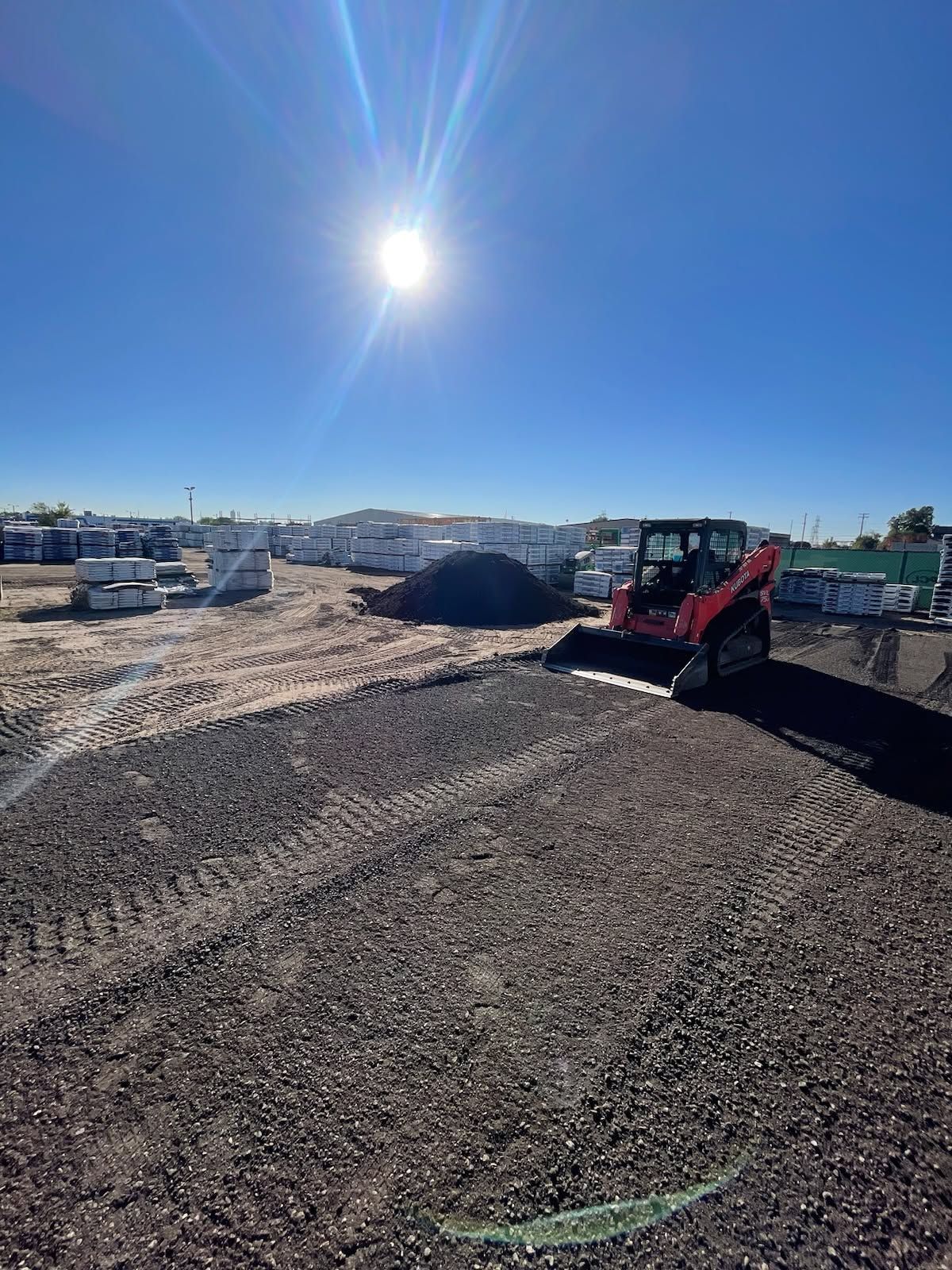
Why Slope Accuracy Prevents Water Problems
Proper grading creates slopes between one and three percent in most areas, steep enough to move water efficiently but gentle enough to prevent erosion and maintain stability. Drainage grading directs runoff away from structures toward swales, storm drains, or detention basins designed to handle peak flows without overwhelming downstream systems or adjacent properties.
Once grading is complete, water flows predictably off paved areas and landscaped zones without pooling in low spots or creating channels that erode soil. You see uniform surfaces ready for concrete, asphalt, or landscaping installation, with elevations matching architectural plans so that doorways, loading docks, and utility connections align correctly when buildings are constructed.
Final grade preparation includes compacting subgrade to density standards required for paving or structures, smoothing surfaces to eliminate ruts or depressions, and verifying slopes with survey equipment before handing off to finish contractors. Grading projects sometimes uncover soft spots or unsuitable soil requiring removal and replacement before final compaction occurs.
Answers to Frequent Grading Questions
Grading directly affects how properties handle water and whether surfaces remain stable over time. These questions clarify what grading involves and what factors influence results.
What is the difference between rough and fine grading?
Rough grading shapes the site to approximate elevations and slopes using larger equipment and broader tolerances, while fine grading refines surfaces to precise elevations within tenths of a foot using smaller machines and laser guidance for final construction readiness.
How do you establish the correct drainage slope?
Slopes are calculated from civil engineering plans that specify fall rates toward drainage structures, with operators setting grade stakes at measured intervals and using GPS or laser systems to guide equipment that cuts or fills soil to match design elevations.
What happens if soil settles after grading?
Settlement occurs when soil is not compacted adequately or contains organic material that decomposes, creating low spots that collect water, with corrections requiring excavation of settled areas, placement of properly compacted fill, and re-grading to restore design slopes.
When is fine grading performed in the construction sequence?
Fine grading happens after utilities are installed and backfilled, rough grading establishes major elevations, and site drainage structures are in place, occurring just before paving, concrete flatwork, or landscaping begins so surfaces remain undisturbed by heavy equipment.
How does Lakewood clay soil affect grading and compaction?
Clay soils expand when wet and shrink when dry, making compaction difficult during spring moisture and creating hard, impermeable surfaces during summer drought, requiring moisture conditioning and careful timing to achieve specified density without overworking the soil.
Rhino Excavating LLC handles site leveling and drainage grading with equipment and techniques suited to soil conditions and project specifications. Schedule a site assessment to discuss grading tolerances and drainage objectives specific to your Lakewood property.